
Eczema vs Psoriasis: How to Tell the Difference (and Why It Matters for Treatment)
by Dermasolve Educational on Dec 22, 2025

This content is for educational purposes only and is not intended to diagnose or treat medical conditions.
Eczema vs Psoriasis: How to Tell the Difference (and Why It Matters for Treatment)
Many people living with chronic skin irritation are told they have “eczema” or “psoriasis” — sometimes interchangeably. In reality, these are distinct conditions with different underlying drivers, and understanding the difference matters when choosing the right daily care approach.

This guide is designed to help you recognize key distinctions, understand why misidentification is common, and learn how treatment strategies differ — without medical claims or diagnostic guarantees.
Why Eczema and Psoriasis Are Commonly Confused
At a glance, eczema and psoriasis can look similar. Both may involve: - Red or discolored patches of skin - Itching or discomfort - Flaking, scaling, or rough texture - Periods of flare-ups followed by calmer phases
Because symptoms can overlap — especially in mild or early stages — many people receive inconsistent explanations or try treatments that are not well matched to their condition.
→ Download the free Eczema vs Psoriasis Quick Comparison Checklist
A simple, non-diagnostic reference to help you understand key differences before choosing daily care products.
What Is Eczema?
Eczema (most commonly atopic dermatitis) is generally associated with skin barrier dysfunction and heightened sensitivity to environmental triggers.
Common characteristics of eczema:
· Intense itching is often the primary complaint
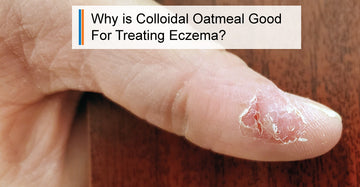
· Skin may appear dry, cracked, or inflamed
· Flare-ups are frequently linked to:
o Weather changes
o Stress
o Soaps or detergents
o Fabrics or allergens
Eczema-prone skin often struggles to retain moisture and maintain a healthy protective barrier, which can make it more reactive over time.
What Is Psoriasis?
Psoriasis is generally understood as an immune-mediated condition that affects how quickly skin cells regenerate.
Common characteristics of psoriasis:
· Well-defined plaques with thicker scaling
· Skin may look silvery, white, or layered on top of redness
· Itching may occur, but burning or soreness is also common
· Often appears on:
o Elbows
o Knees
o Scalp
o Lower back
Because skin cell turnover is accelerated, visible buildup can occur even when the skin does not feel particularly dry.
Key Differences at a Glance
|
Feature |
Eczema |
Psoriasis |
|
Primary sensation |
Itching |
Burning, soreness, or itching |
|
Skin texture |
Dry, irritated, sometimes oozing |
Thick, scaly plaques |
|
Edges |
Less defined |
Clearly defined |
|
Common triggers |
Irritants, allergens, stress |
Immune activity, stress |
|
Core issue |
Barrier disruption |
Accelerated skin turnover |
These distinctions are not diagnostic, but they can help guide more informed conversations and care decisions.
Why Correct Identification Matters
Many people come to this question after cycling through multiple products that offered temporary relief but failed to provide long-term stability. When eczema and psoriasis are treated the same way, results can be inconsistent or disappointing.
· Products focused only on dryness may not address psoriasis-related scaling
· Aggressive exfoliation can worsen eczema-prone skin
· Short-term relief approaches may not support long-term skin stability
Understanding the dominant pattern — barrier disruption vs. rapid buildup — allows for a more thoughtful daily routine.
Not sure which pattern fits your skin?
We’ve put together a simple guide that explains common triggers, daily routines, and ingredient considerations for chronic skin conditions.
→ Download the free Eczema vs Psoriasis Quick Comparison Checklist
A simple, non-diagnostic reference to help you understand key differences before choosing daily care products.
Overlapping Symptoms and Mixed Presentations
Some people experience features of both conditions, or develop symptoms in different areas that behave differently.
This is one reason why: - Long-term skin management often works better than reactive spot treatment - Gentle, supportive care is usually favored over harsh interventions
If symptoms are persistent, worsening, or unclear, consultation with a qualified healthcare professional is always appropriate.
How Daily Care Approaches Differ
While medical guidance varies by individual, general daily-care principles often differ:
Eczema-oriented routines may emphasize:
· Barrier-supportive moisturization
· Avoidance of common irritants
· Calm, consistent application
Psoriasis-oriented routines may emphasize:
· Managing visible buildup gently
· Supporting skin comfort between flare-ups
· Long-term consistency rather than quick fixes
Formulation choices, ingredient balance, and frequency of use matter more than intensity.
A Balanced, Skin-First Perspective
Many modern skincare approaches focus on supporting the skin’s natural function rather than forcing rapid changes. This philosophy recognizes that chronic conditions benefit from patience, consistency, and respect for skin sensitivity.
At Dermasolve, we focus on supporting skin comfort through barrier-aware formulations and condition-specific routines, rather than one-size-fits-all solutions.
When to Seek Professional Guidance
If you experience: - Rapid spreading - Pain, cracking, or bleeding - Signs of infection - Significant impact on daily life
A licensed medical professional can provide individualized evaluation and guidance.
Final Thoughts
Eczema and psoriasis may share surface similarities, but their underlying patterns differ in meaningful ways. Learning those differences can help you make more informed decisions about daily care, product selection, and long-term skin support.
If you want to learn more about ingredient science, routine design, or condition-specific education, additional Dermasolve resources are available to support your journey.